How to Improve Search Engine Optimization Naturally: Proven Ideas & Techniques
SEO is an ever-changing field that requires you to be aware of what’s happening in the market, how people interact with online content, and your strategies for success.
It’s not a one-and-done activity either; you need to refresh your knowledge and test new techniques to see daily results. That’s why it’s so important to always stay up-to-date on SEO!
There are many ways to do this, from reading professional journal articles to listening to YouTube videos to watching live events or conferences. You can also join local groups and chat about SEO, or even start your small talk by asking more experienced professionals around you some questions.
Gain experience

As mentioned earlier, SEO is an ever-changing field that requires you to constantly learn new things to achieve your goal of having more exposure for your business. There are always newer strategies and tricks being discussed and implemented by professional SEO so why not try experimenting with some of them?
Many free educational resources are available via YouTube, blogs, social media channels, etc. You will find what works best for you and your website using different methods!
Gaining experience in other areas also helps optimize your site – beyond just search engine optimization. For example, if you are good at writing, how about editing another person’s article or giving feedback on someone else’s blog post? Or maybe you have a knack for graphic design, can edit pictures, and/or know how to use Photoshop and other similar software. You could offer your services as a freelancer and earn money from the internet!
By adding these into your daily life, you will start seeing a pattern where you get paid to learn something new daily.
Practice SEO

A little time each week trying to achieve an improved state of search engine optimization is very important. Even if you are already doing some things well, there’s always something new that can be done to maximize your site’s exposure!
There are many ways to hone your SEO skills, from experimenting with different keywords to finding out how to respond to comments and questions in the community.
By staying up-to-date on the latest developments, you will constantly be able to improve your game.
Create an SEO strategy
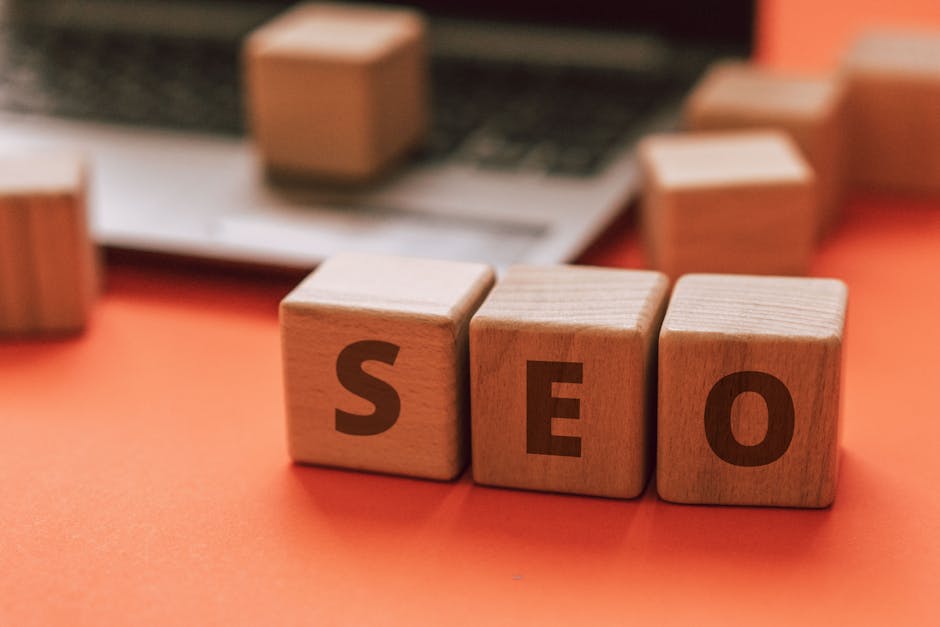
Developing your website’s SEO is not a quick, one-and-done process. It takes time to test different strategies and see what works for you. Luckily, you are not starting from scratch here! You can pick up some easy tips and tricks in our article here.
So, how do you start optimizing your site? First, you want to ensure that your content is engaging and interesting. Your readers will be drawn into reading more of it if there is nothing too boring or pointless about it.
Second, you should use valid HTML5 tags to improve readability and appearance. The better your HTML, the higher your page will rank in search engines like Google and Bing!
Third, choose solid keywords that people look for online. Using relevant keywords related to your products could win you some traffic and business if you have a product-focused site.
Fourth, add external links to help promote your site and give credit to other sources for helpful information. This boosts your link popularity which helps with ranking.
Fifth, watch others do social media marketing, posting, linking, etc. Find things you can take bits and pieces of and mix to create your own style!
Sixth, find ways to reward yourself for all your hard work.
Create content

Photo by Tima Miroshnichenko on Pexels
A well-optimized website will have plenty of interesting, high-quality content. Your visitors will come back if you constantly post informative and fun new material.
If your site does not contain enough unique content, it will look unprofessional and boring. Content should be written easily and include pictures or videos to engage the reader.
Your online audience needs more time to spend reading blogs and websites. If the same information is posted repeatedly, they will quickly move on. Make sure to keep them coming back for more!
The more content you have, your search engine rankings will increase. Great content can create a buzz about your business and attract new followers and readers.
Running a blog is a perfect way to start creating content. It is simple and free unless you purchase hosting, which is almost always paid monthly. Many people use WordPress as a platform for this.
Link your website with other sites

Photo by RODNAE Productions on Pexels
There are many ways to develop an online presence that benefits you in multiple areas, one of which is linking yourself from outside sources to your site.
They will send traffic your way by linking to external websites or referring to them as links!
This is referred to as link-building, and it’s an acceptable method to gain exposure for your site – even if it’s for pure visibility.
The most common links include writing an article and publishing it on your site or media platform, creating a discussion thread on a chat forum, or doing a YouTube video review and adding their link.
These links can be done free of charge, so there is no reason to shy away from link-sharing unless you get paid to do it!
Internal links are essential for optimizing your search engine rankings. They allow you to send authority signals from one page to another, spreading the love and improving your overall site metrics.
Think of it like this—you give a page some link juice by linking to that page from other pages on your website. This traffic boost can show up significantly depending on where and how often you place your internal links.
Potential benefits include increasing user time on site, decreasing bounce rates, and boosting the overall crawlability and indexing time of your website. Internal links continue beyond more organic visits. They help build brand recognition, have higher conversion rate optimization opportunities, and create smoother user interactions, which significantly dent your search engine rankings.
It’s also important to note that not all links are equal. Make sure to pick your partners carefully, and don’t overdo it. Otherwise, people may question your intentions.
Monitor your results
A key part of optimizing any site is being aware of what changes you need to make by making comparisons before and after how well your website is performing online. This is called monitoring or tracking your web performance.
There are many ways to do this, but one of the most common strategies is using a free tool that allows you to create an account with them and then track your site's performance. Some examples include Google’s Webmaster Tools, Bing’s, and Yandex’s Performance tools.
These services have different levels of detail depending on which service you choose. However, all allow you to see basic information such as page speed, mobile responsiveness, referral traffic, etc. The better ones will also offer dashboards where you can monitor more in-depth information like crawl errors, indexing issues, etc.
Having access to these resources gives you the whole picture of what is going on for your site, which helps determine if something needs to be fixed. It also gives you ideas on what may improve your site’s performance or find potential issues early so that you can fix them.
Learn to use the Google Search Console
The second way to improve your SEO is by using the free Google Search Console tool. This tool allows you to check several key metrics for your website, including Page Load Time, Mobile Friendliness, Redirects, Speed, Etc.
Google offers a limited number of accounts through its platform, which includes Google Analytics, Keywords.com, and AdWords. However, they also have a separate account type just for search performance, which we will discuss below.
This account gives you more detailed information about your site’s mobile and desktop responsiveness optimization, speed indexing, etc. It provides basic insights into how people find your content via natural keywords or paid advertisements.
The best part about this one is that it’s completely free! All you need to do is sign up for an account, and then you can start testing things out.
Personalize your website
A well-optimized website will use your personal information to determine what content you want to show to users. For example, if you have an online store, you would want to show as much product info as possible so people can research and find something they want or need.
The same goes for blogs! You should include as many details about yourself and your business as possible because when users do a Google search for your company or site, those are the results they will see.
Google is a very popular search engine, meaning there’s a lot of traffic going through their systems daily. By optimizing your sites and pages, you can ensure that most of this traffic is positive.
Metadata
Metadata is a really important part of website design. It helps search engines figure out what your site is all about and how to direct customers to the right places when they look for you online.
But metadata also needs to be maintained. If you make changes to your site, you have to update the metadata too, or search engines will know what your new content is about.
Review and update your metadata regularly. It's just one more way to help get customers where they need to go on your site!
Optimizing images on your site is all about creating the most impressive visuals that load fast, are relevant to your content, and won't interfere with search engine optimization (SEO).
Focusing on file size and format, descriptions and names, copyright law, relevancy to content, mobile-friendliness, and avoiding the overuse of stock photos are all essential components.
Choosing a responsive image format like WebP will ensure your images look great no matter what device they're viewed on. Alt tags and image titles should be used so browsers can interpret the purpose of each image. Being mindful of copyright laws will keep your site safe from legal issues.
The key is ensuring that every element combines to create an enjoyable viewing experience for your visitors - including unique images tailored specifically to reflect your brand's message - in a way no one else has done before!
Meta Description
Meta tags are like secret superheroes for your website! They don't appear on the page, but they do many behind-the-scenes works to help search engines understand what's on it.
They need to be clear and precise so that people can easily understand what the content is about and find it useful.
That means including all of your main keywords and a few others, too - after all, you want people to find your page!
You could miss out if you need a meta description that search engines will pick up.
Think of them as the snazzy summary that helps people decide if they want to click on your page or explore something else.
Remember that meta description are the X-factor in helping search engine users discover awesome content like yours!
Meta Title
Title metadata can be found at the top of any browser window, telling search engines what each page is about. It's a crucial piece of data that needs to be accurate, relevant, and eye-catching!
If you use a CMS website, your web team may automatically create meta titles for each webpage based on your page title. With this system in place, it pays to ensure that your page titles are clean and full of keyword phrases.
Meta titles should be concise but descriptive. They need to give the reader an instant idea of what a page contains without being too long or drawn out. This is what can help you capture attention in the SERPs!
When crafting meta titles, focus on delivering quality content that stands out from the competition. Strive to write unique, creative headline copy while ensuring they are SEO-friendly.
Target Low-Competition Keywords
Many sites struggle to tackle SEO because they shoot for the highest stars. It's because the target keywords are too competitive. It's like trying to climb Mount Everest without any training or supplies. They'll always miss the summit.
Instead, look for keywords with just the right difficulty: accessible but achievable. Keywords that don't break the bank but still have enough potential to make a real difference in your rankings and visibility.
Focus on prospects and opportunities that you can use to optimize your content and get better results in search engines. Choose your keywords wisely, and keep your keywords from competing with others. Be smart, targeted, and efficient with how you approach SEO!
Creating the Perfect Mobile-Friendly Website
Mobile optimization is essential. Google's recent update shows us how important it is to have our website working just as well on mobile as on desktop.
If we don't, we risk losing half of all the global web traffic! We can't afford that.
We need to give our users a seamless experience that works just as well for them if they're browsing from a desktop or device. In other words, it must work perfectly no matter what!
Every detail needs to be optimized and tailor-made for different devices to make this happen. No corners should be cut here - it needs to be perfect!
Because no one wants a glitchy experience. They want something smooth, responsive, and oh-so enjoyable - so that's what we must deliver!
The importance of SEO and how to use it efficiently.
Search engine optimization (SEO) is a must for every business. It's the key to getting your products and services seen in an ever-expanding digital landscape.
But with so many different strategies, it can take time to know which ones will help and which ones you'll need to leave by the wayside.
That's why we created this list of nine quick-and-easy SEO strategies you can use today to get higher rankings in search results and reach more customers online.
From proper keyword research to smart link building, these techniques are proven to help boost your site’s visibility - so you can generate more leads, earn more revenue and make a bigger impact on your industry.
Conclusion
In conclusion, search engine optimization is essential for driving traffic and visibility to your website. By following these simple steps, you can build a solid SEO foundation to help you achieve your online marketing goals and attract more visitors over time.
Remember to stay consistent in your efforts and track the success of your SEO campaign so that you can make timely adjustments as needed. With the right strategy, your website can reach the top of search engine results pages and gain greater visibility among potential customers. So go ahead, optimize away!
Comments
Post a Comment